236557273_2014615538689925_2712173676074851386_n-1280x1280.jpg

Walking into a martial arts gym for the first time takes a certain amount of courage. You don’t know anyone. You’re not sure what you’re supposed to do or where to stand. You’re wondering if everyone else is going to be way better than you, and whether anyone is going to notice if you’re struggling.

Those feelings are completely normal, and they’re exactly why we run things the way we do at Lotus Fitness.

Here’s a detailed look at what actually happens at your first Muay Thai class with us, from the moment you book to the moment you leave.
Before You Even Walk In the Door

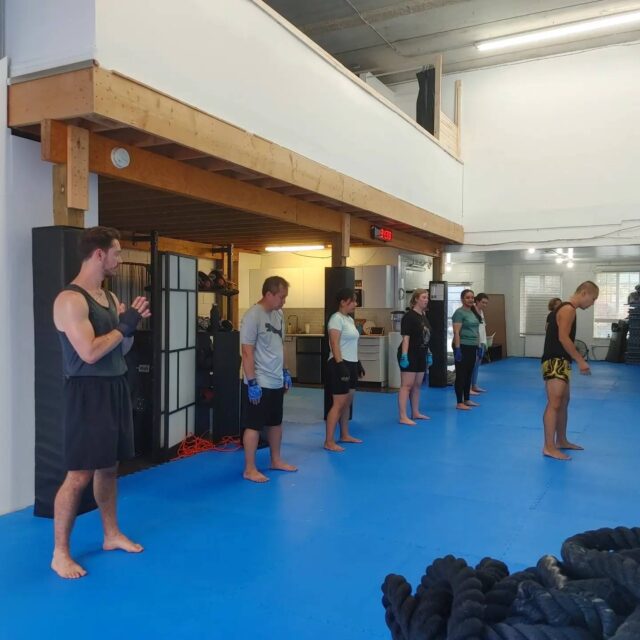
We’re a small, tight-knit gym and we know every student by name. When we see a new person book their first class, we reach out before they arrive. We’ll ask if you’ve trained Muay Thai before, whether you have any injuries we should know about, and whether you have any questions.

If you’re newer, we make sure a second coach is on the floor for your class specifically to work with newer students. You won’t be dropped into a class of experienced fighters and left to figure it out. That’s not how we do things.

We want you to feel like you were expected, because you were.

The Warmup: The First 15 Minutes

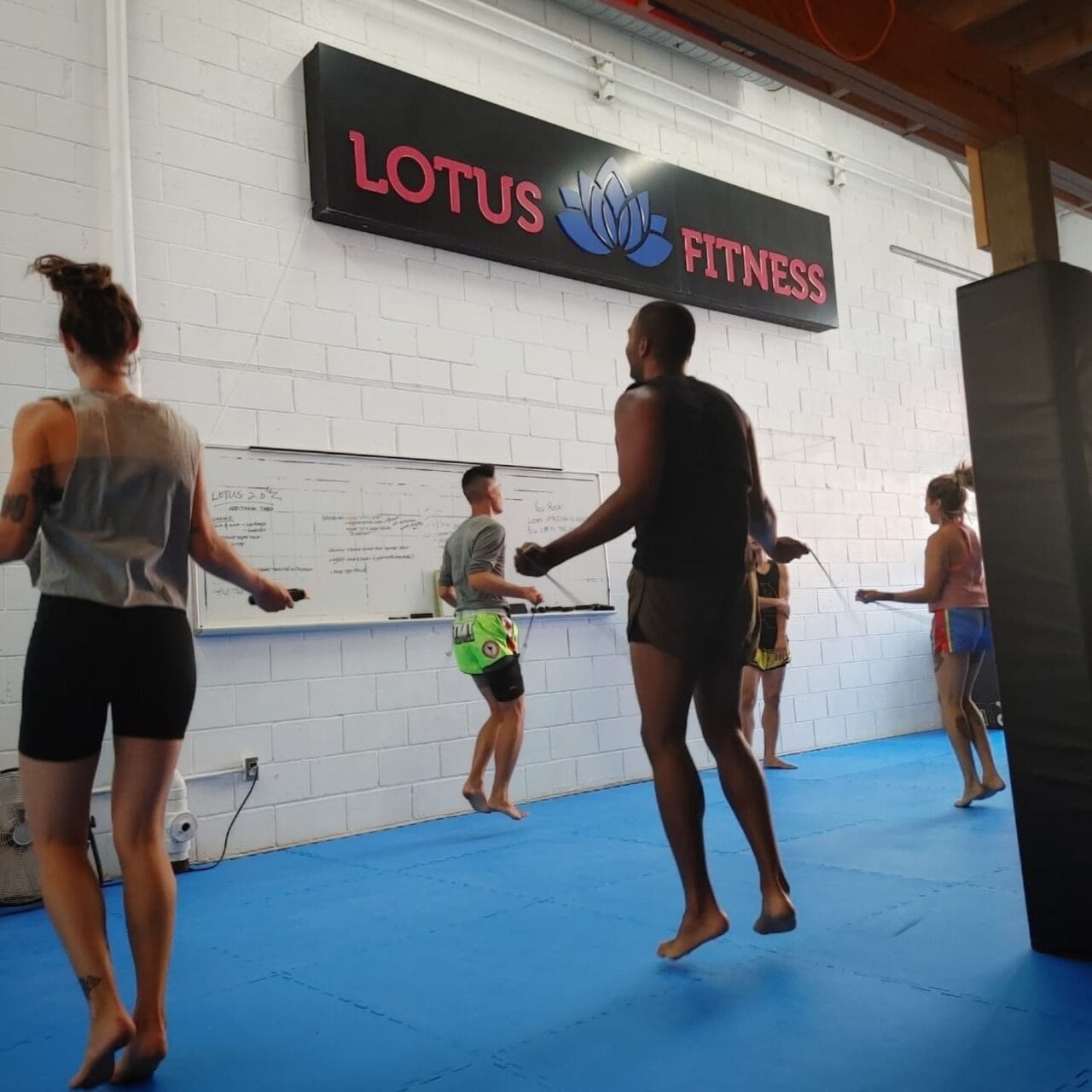
Class starts with a group warmup that runs about 15 minutes. Everyone does it together, which matters more than it sounds. There’s something about working alongside other people that makes you push a little harder than you would on your own.

You’ll start with three minutes of skipping rope. We have plenty of ropes in different sizes so don’t worry about bringing one. If you haven’t skipped rope since elementary school, that’s fine. Do what you can. After that, the warmup moves into bodyweight exercises: things like squats, push-ups, and core work. It’s all done together as a group.
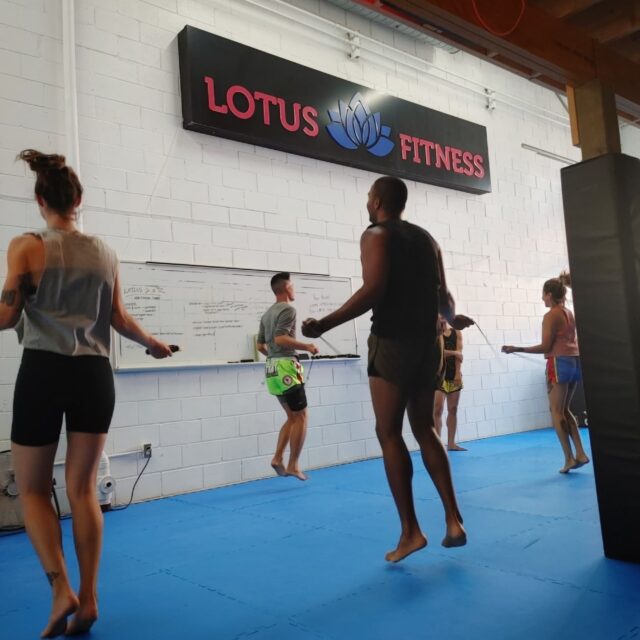
One thing worth saying upfront: the warmup is harder than most people expect. Even people who are already active at a gym, who lift weights regularly or run or use the stairclimber, are often surprised by it. Muay Thai uses energy systems that most traditional gym workouts don’t. Different muscles, different demands, different pace.

If you need to take a longer rest or drop the rep count, do it. No one will give you a hard time. Everyone in that room remembers their first class.

The Fundamentals Portion: Where Beginners Break Off

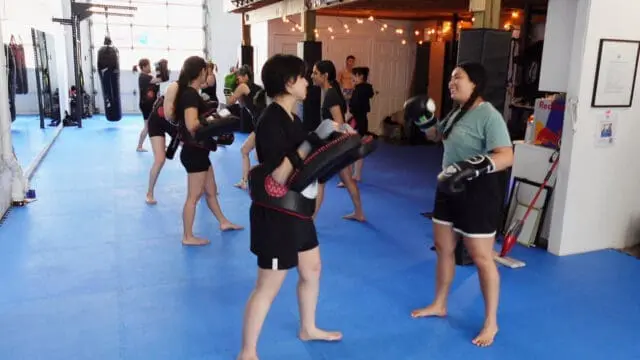
After the group warmup, students with fewer than five classes break off into a smaller group with a dedicated coach. Depending on how many newer students are in that session, you might be in a group of three or four people. Sometimes it’s even smaller, closer to a semi-private lesson.

In that smaller group, we slow everything down. The focus is entirely on form, not power or speed. We’ll work on the basics: your stance, how to move, the jab, the cross, and the roundhouse kick. Sometimes you’ll work on the heavy bag. Other times you’ll pair up with another newer student and do some light pad work.

Good form matters from the start for two reasons. First, it keeps you safe. Bad mechanics lead to injuries over time, and we’d rather correct things early. Second, habits formed in the first few classes tend to stick. We’d rather you develop solid fundamentals slowly than pick up bad habits quickly.

Nobody expects you to look like a fighter in your first class. The goal is just to start building the foundation.
What Usually Surprises First-Timers

The most common surprise is how hard it is, regardless of your current fitness level. People who run marathons, who spend hours in the gym every week, who consider themselves fit by any reasonable measure, still find the first few Muay Thai classes genuinely challenging. That’s not a knock on their fitness. It’s just that the sport uses your body in a way that nothing else does.

The other surprise, usually a pleasant one, is how quickly the time goes. When your brain is engaged in learning technique, executing combinations, and keeping up with a partner, you stop watching the clock. Most people finish their first class genuinely surprised that an hour has passed.

That’s the group dynamic at work. It’s harder to coast when someone else is counting on you to hold the pads or call the combinations. You end up working harder than you planned, and you barely notice.

How You’ll Feel When It’s Over

Tired, for sure. But there’s a specific kind of feeling that comes after a Muay Thai class that’s hard to get anywhere else. Coaches and longtime students call it the post-Muay Thai buzz. Your body has worked hard, your mind has been fully occupied for an hour, and you walk out feeling something between exhilaration and deep calm.

It’s the feeling we’re trying to give every student who comes through the door. Not just a good workout, but a reason to come back. When people leave that first class wanting to know when the next one is, we’ve done our job.

Most people do come back. And most of them say the same thing a few weeks in: they wish they hadn’t waited so long to try it.
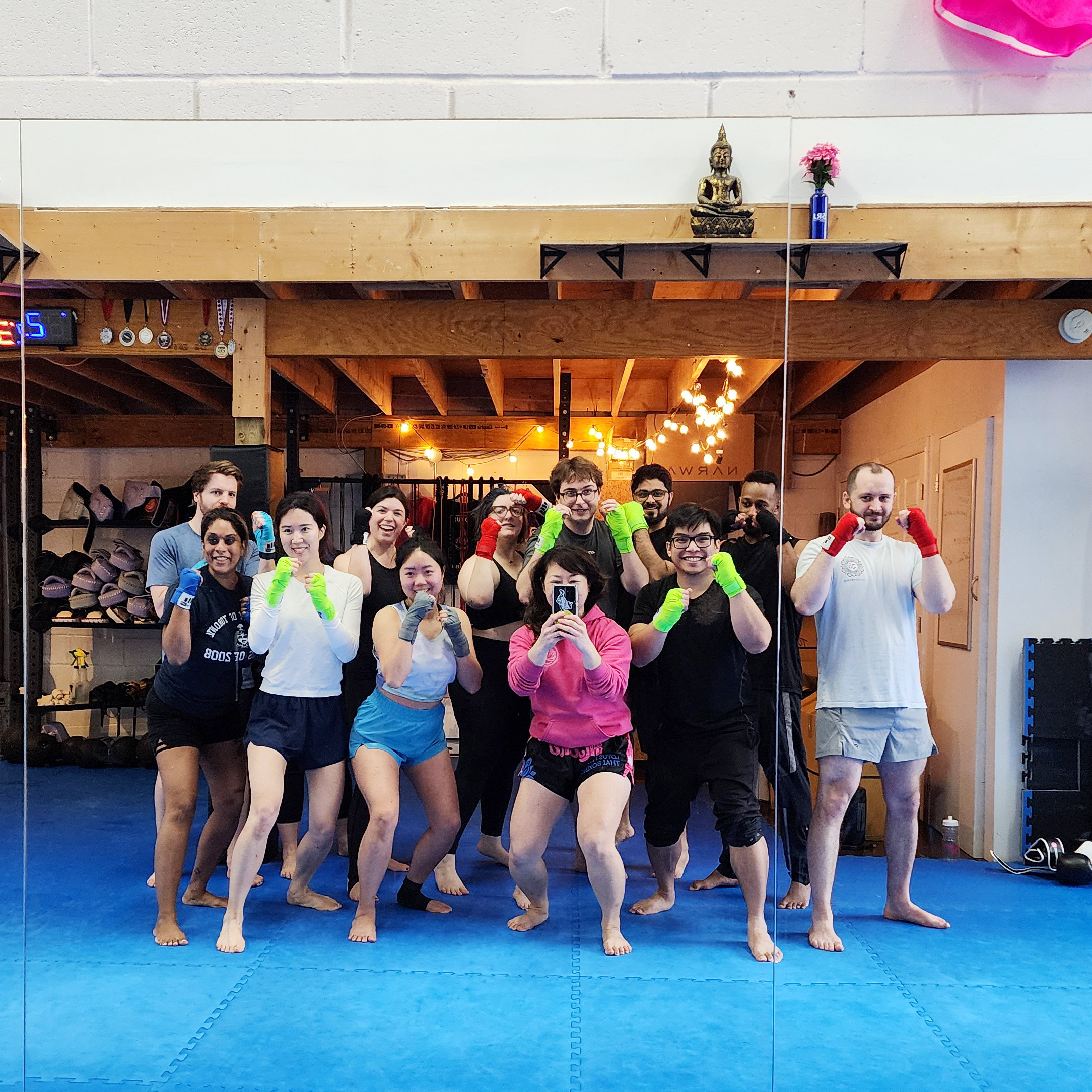
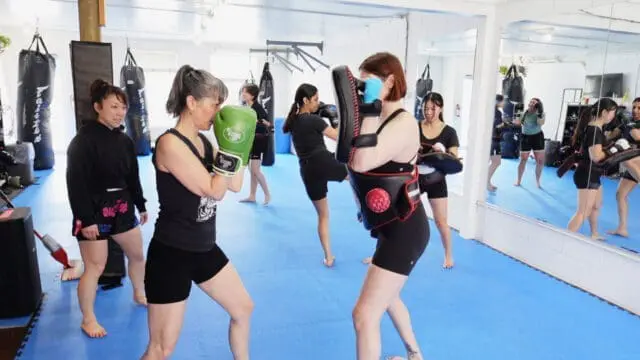
group of students at lotus fitness and thai boxing

Quick Summary: Your First Class at Lotus Fitness

Here’s what to expect, start to finish:

  • We reach out before your first class to introduce ourselves and answer any questions
  • A second coach is on the floor to support newer students
  • 15-minute group warmup including skipping and bodyweight conditioning
  • Beginners break into a small dedicated group with a coach focused entirely on fundamentals
  • Emphasis on stance, footwork, and basic strikes with form prioritized over power
  • Bag work or light pad work with another newer student
  • You leave tired, buzzing, and already thinking about the next class

If you’re in Toronto and ready to give it a try, our New Member Promo includes three classes and the gear you need to get started. Come see what it’s about.
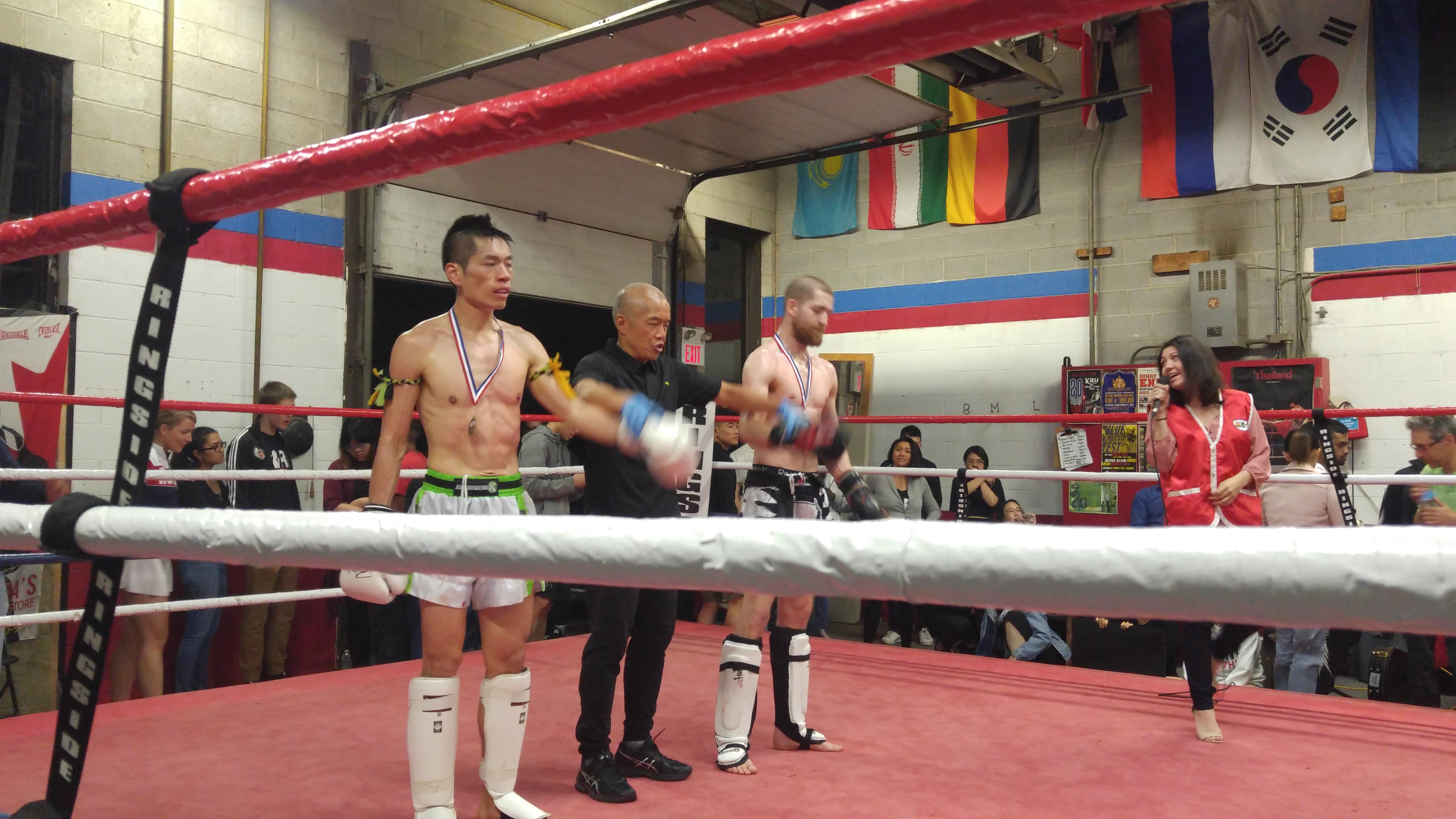
DSC_0022b-1280x851.jpg

What Gear Do You Need to Start Muay Thai? A Coach’s Honest Guide

Before your first Muay Thai class, you will probably spend at least an hour going down a rabbit hole of gear guides, forum posts, and YouTube videos about gloves. You’ll find strong opinions about brands, weights, materials, and whether you need shin guards on day one.

Here’s what I tell every new student who asks: you need a lot less than you think, and you should buy as little as possible until you know the sport is for you.

Here’s the honest breakdown.

What You Actually Need on Day One

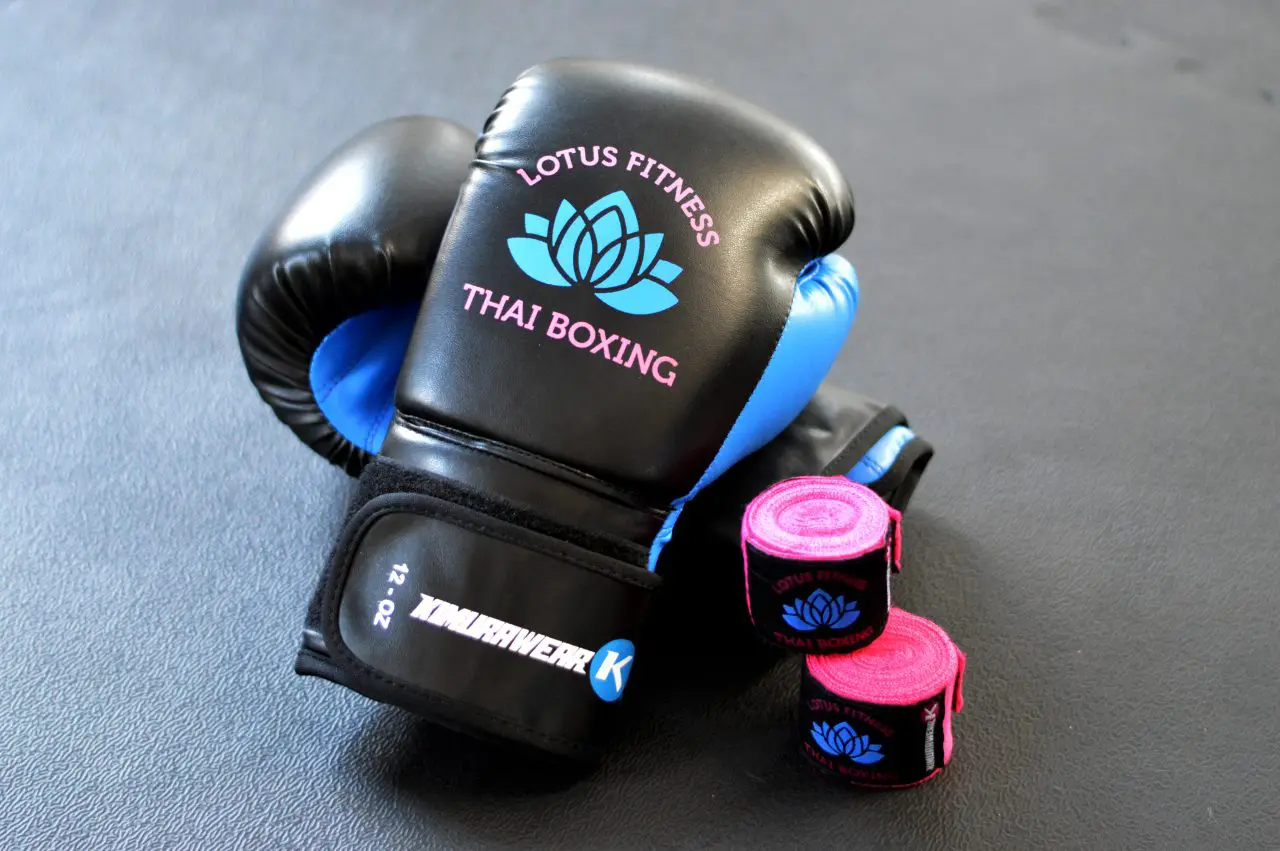
When I walked into my first Muay Thai class, I had two things with me: a pair of handwraps and a pair of boxing gloves. That’s it. That’s genuinely all you need to get started.

Handwraps go on before your gloves and protect the small bones and tendons in your hands and wrists. They’re inexpensive, usually around $10 to $15, and any brand will do at this stage. Your gloves go on top. For a beginner, 12, 14, or 16 oz all work fine for your first few classes.

As for clothing, come in athletic shorts that are loose enough to kick in, or tights. That’s it. You’re barefoot, no uniform, no equipment bag full of gear. Show up, get your hands wrapped, and get to work.

Everything else can wait until you’ve decided the sport is something you want to stick with.

How to Buy Muay Thai Gloves (and What to Avoid)

Gloves are where most beginners go wrong, usually by buying the wrong type from the wrong place.

Avoid gloves from general department stores or big-box sports retailers. They’re usually not built for the repeated impact of actual Muay Thai training and tend to break down quickly. You want to buy from a retailer that focuses specifically on combat sports, either online or in person. The difference in construction quality is real.

A few things to look for and avoid when choosing gloves:

  • Velcro closure only. Lace-up gloves look great in photos but take forever to put on and take off between rounds. In a class setting, you’ll regret them immediately.
  • No MMA gloves. Open-fingered MMA gloves are not appropriate for Muay Thai. The sport is practiced with closed-fist boxing-style gloves.
  • Watch the cuff size. Some boxing-specific gloves have oversized cuffs that are designed for boxing’s wrist support needs. They can feel bulky and restrictive for Muay Thai, where your arms and elbows move more freely.
  • They should feel slightly roomy. A lot of new students worry their gloves are too big. Remember, your handwraps go on first and take up space inside the glove. Try them on over wraps before you decide.

For a Canadian brand that hits the right balance of quality and price, we’re fans of Kimurawear. They’re made for this sport, not repurposed from a boxing or MMA line, and they hold up well.

In fact, that’s why our New Member Promo gets you 3 classes, a 14 oz pair of Kimurawear gloves, and handwraps for $115. It’s everything you need to get started!

New Member Promo at Lotus Fitness

12 oz vs 14 oz vs 16 oz: Which Glove Weight Should You Get?

For most beginners, 14 oz is a solid all-around choice. It’s heavy enough to provide good protection and padding, light enough that it won’t slow you down awkwardly in your first classes.

If you know from day one that you eventually want to try sparring, think about starting with 16 oz. Sparring isn’t something that happens early, and it’s completely optional at our gym, but if it’s on your radar, 16 oz is the standard size required to keep training partners safe. Most gyms won’t allow anything lighter for sparring. That said, by the time you get to sparring, you’ll likely want a dedicated pair of sparring gloves anyway, kept clean and used only for that purpose.

So: 14 oz to start, 16 oz if sparring is a near-term goal, and don’t overthink it. You can always buy a second pair later.

And, after you’ve gotten your fresh gear – keep it fresh by learning how to keep them clean and odour free.

Gear to Add as You Progress

Once you’ve been training for a few weeks and you know you’re sticking with it, there are a few things worth adding.

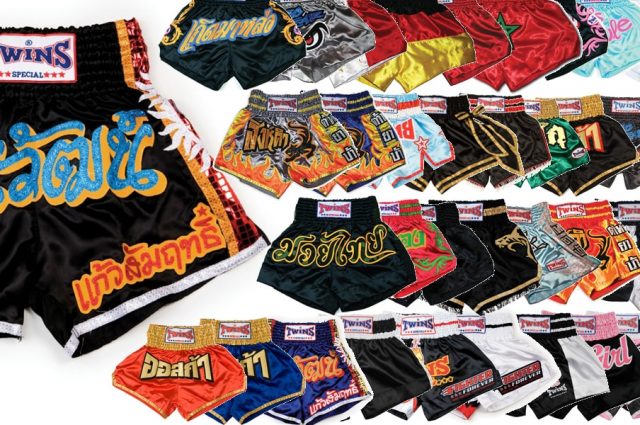
  • Muay Thai shorts. Not required, but genuinely useful. The wide hip cut is specifically designed to allow full range of motion for kicks. You’ll notice the difference when you start working on your teep and swing kick. They’re also just a fun way to invest in the sport. Come in whatever athletic shorts work for now, but Muay Thai shorts are worth picking up once you’re a regular.
  • Shin guards. Not needed in beginner classes where there’s no contact work, but essential before any sparring. When the time comes, your coach will let you know.
  • Mouthguard. Again, not for your first classes, but required for sparring. Buy a decent one when the time comes.
  • Groin guard. Same story. Not day-one gear, but you’ll want one eventually if you spar.

Muay Thai Shorts Toronto

The One Piece of “Gear” Nobody Talks About

A nail clipper.

Seriously. Long toenails are a genuine hazard in Muay Thai. When you’re doing pad work and your partner is holding Thai pads, a sharp toenail can scratch or cut them. In sparring, it’s worse. Keep your toenails short. Your training partners will appreciate it more than any piece of expensive equipment you own.

This is the kind of thing no gear guide ever mentions, but every experienced Muay Thai practitioner knows.

The Short Answer

To start Muay Thai, you need handwraps, a pair of gloves from a reputable combat sports retailer, and something comfortable to train in. That’s the whole list.

Don’t buy shin guards, a mouthguard, sparring gloves, or anything else until your coach tells you it’s time. Don’t buy from a department store. And for the love of your training partners, clip your toenails.

Don’t let the gear question stop you from realizing the fitness benefits of Muay Thai. If you’re in Toronto and ready to try your first class, check out our New Member Promo. Three classes and the gear you need to get started, all in one package.

Get a pair of 14 oz Kimurawear Gloves, Handwraps, and 3 Classes


20170527_230253.jpg

I hear it all the time: “I’ve been thinking about trying Muay Thai for a while now.” People say it when they first call the gym, when they watch a class through the window, when a friend tells them about it. And then, eventually, they come in. Every single one of them says the same thing after their first few weeks: they wish they hadn’t waited so long.

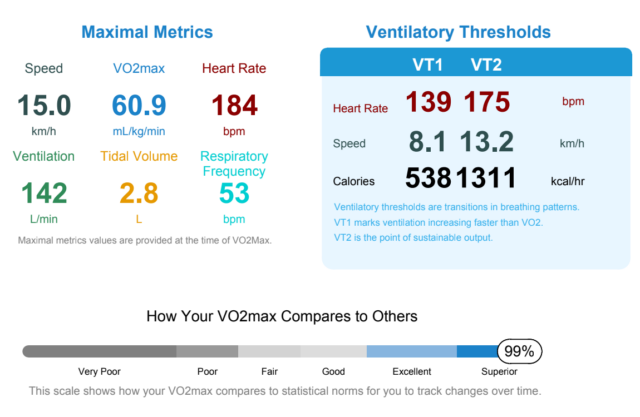
I’m 47. I have a VO2 max of 60, which puts me at an elite level of cardiovascular fitness for my age group. My body fat is around 15% and I carry more muscle than I did during my years as a triathlete. I started Muay Thai in 2016 as a student, competed at the amateur level, and went on to open Lotus Fitness and Thai Boxing here in Toronto. What I’ve seen in my own body, and in the hundreds of students who’ve come through our doors, tells a pretty consistent story.

vo2max test results

Muay Thai works. And it works in ways that other training modalities simply don’t. Here’s why.

Is Muay Thai Good for Cardio? Yes, and Here’s the Proof

A VO2 max of 60 at 47 years old is not something you get from casual exercise. It takes sustained, repeated effort that pushes your cardiovascular system close to its limits. Muay Thai training does that in every single class.

A typical session includes skipping, shadow boxing, pad work, bag rounds, and clinching. You’re not resting between sets the way you would in a gym. The format keeps your heart rate up from warm-up to cool-down. It’s closer to interval training than anything else, except you’re too focused on what you’re doing to notice how hard you’re breathing.

Endurance athletes spend years trying to improve their VO2 max through structured training programs. In Muay Thai, those gains come as a side effect of learning the sport.

Does Muay Thai Build Muscle and Burn Fat?

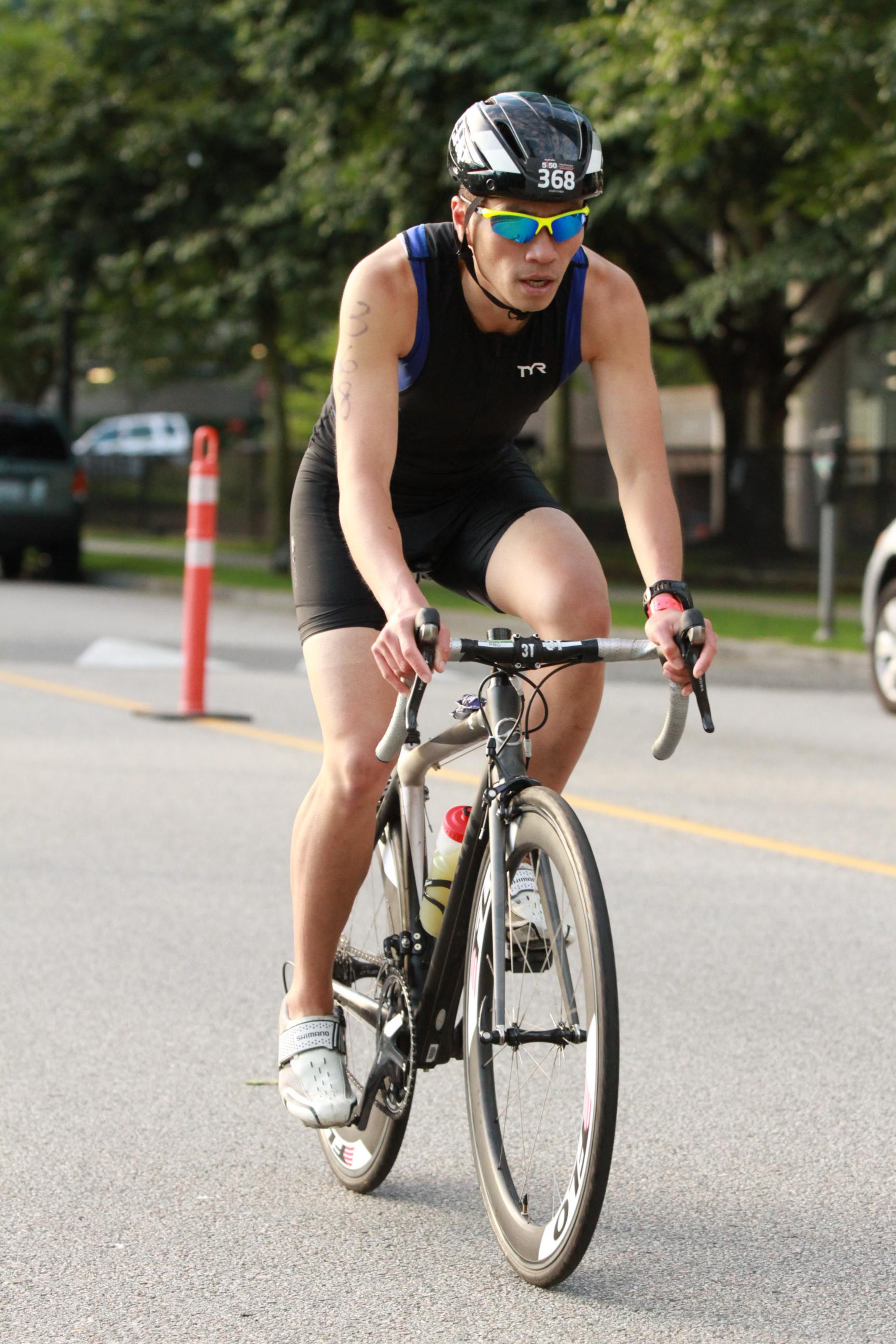
When I was doing triathlons, I was fit. But when I compare photos from that period to now, the difference is noticeable. I’m leaner and I carry more functional muscle. That surprised me, because triathlon involves a lot of hours and a serious training load.

triathlete riding bike

The reason is how Muay Thai uses your body. Every strike generates power from the ground up, through your legs, hips, core, and upper body. You’re not isolating muscle groups the way you would on gym equipment. You’re using your whole body as one connected system, and you’re doing it at high intensity for an extended period.

At 15% body fat, I’m not on a special diet or doing anything outside of training. Muay Thai handles it.

The other thing worth mentioning is that it doesn’t feel like a workout while you’re doing it. Your brain is occupied with the technique in front of you. The calorie burn happens without you obsessing over it.

Muay Thai vs. Gym Workout: Why Training with a Partner Changes Things

Most people, if they’re honest, don’t push themselves as hard as they could when training alone. That’s not a character flaw. It’s just how motivation works.

Muay Thai is built around partner training. Pad work, which is the core of most classes, requires two people. One person holds, one person strikes, and then you switch. When someone is holding pads for you and calling combinations, you work harder than you would on a bag alone. When you’re holding for your partner, you’re engaged and accountable. Neither person is scrolling their phone or going through the motions.

Group fitness research consistently shows that people train harder and stick with it longer when other people are involved. In Muay Thai, that isn’t a program feature. It’s just how the training works.

The Mental Health Benefits of Muay Thai Training

Muay Thai is called the Art of Eight Limbs because you’re learning to strike with your fists, elbows, knees, and shins. There’s a lot to think about. That’s actually one of the reasons it’s so effective for mental health.

When you’re on the pads working a combination, your mind is fully occupied. You’re thinking about your footwork, your guard, your timing. There’s no room for whatever was stressing you out before you walked in. It’s one of the few activities where people genuinely switch off from everything else for an hour.

There’s also something that happens over time with hard training that’s harder to put into words. The sessions are genuinely difficult. Some rounds feel endless. Learning to breathe through it, to keep your form when you’re tired, to not quit when it gets uncomfortable, builds a kind of mental toughness that carries over into the rest of your life.

That’s not something you get from the elliptical.

Can Beginners Do Muay Thai? You Don’t Need to Get Fit First

Our head coach at Lotus Fitness is the WMC Canadian Champion in his weight class and has competed at the IFMA level. He started Muay Thai in his 20s coming from a sedentary background. He wasn’t already in shape when he started. He got in shape by starting.

This is the most common thing I hear from people who are on the fence: “I want to get a bit fitter before I try it.” I understand the logic, but it’s backwards. Muay Thai is what gets you fit. You don’t need to pass any kind of fitness test before your first class. Every beginner starts from wherever they are, and the training moves them forward from there.

You just have to show up.

“I’ve Been Thinking About It For a While”

If that’s you, here’s what’s usually going on underneath it. People considering Muay Thai classes in Toronto and elsewhere tend to have a few hesitations in common:

  • “I’m not fit enough yet” (it’s the training that makes you fit)
  • “I don’t want to get hurt” (a fair concern, and one worth asking any gym about directly)
  • “Martial arts gyms seem cliquey or full of serious fighters”

That third one is worth addressing honestly. Some gyms do have that culture. There’s a certain type of martial arts environment that can feel unwelcoming if you’re not already in the know, and that puts a lot of people off before they ever try.

group of students at lotus fitness and thai boxing

We built Lotus Fitness specifically to be the opposite of that. No attitude, no cliques, no sense that you need to prove yourself before you’re welcome. People come here from all walks of life, at all fitness levels, and they train alongside each other. If you’re willing to put in the work and treat your training partners well, you belong here.

The Bottom Line on Muay Thai Fitness Benefits

At 47, I’m in better shape than I was in my 30s. That’s not something I expected, and it’s not because I’m doing anything extraordinary outside the gym. I train Muay Thai consistently, and it takes care of the rest.

If you’re in Toronto and looking for something that actually works, something you’ll stick with because you genuinely enjoy it rather than grind through it, Muay Thai is worth trying. The cardio, the body composition, the mental resilience, the community. It’s all there.

Come try a class at Lotus Fitness. Here’s some tips to get you ready. If you’ve been thinking about it for a while, that’s probably sign enough.